
Why Pay $250 When $60 Thermostats Exist?
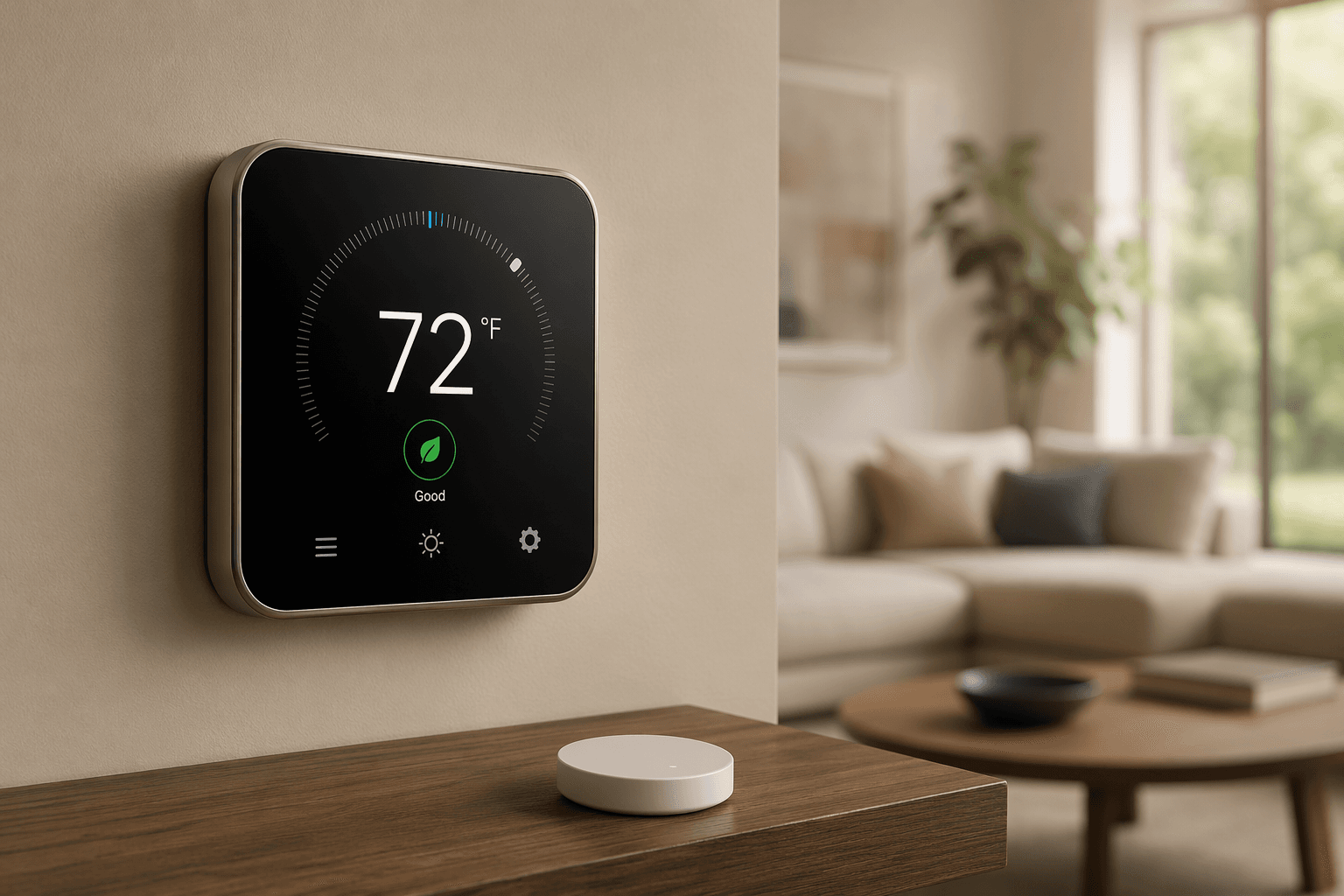
The ecobee Smart Thermostat Premium costs $250. The Amazon Smart Thermostat costs about $60. The Wyze goes for $73. Even the Nest Learning Thermostat, which used to be the premium benchmark, sits around $130. The question isn't whether the Premium is a good thermostat — it's whether it can save you enough to make that price gap disappear. The short answer: it can, but only if you stack multiple incentives and actually use the bundled features. If you just want basic schedule-and-away control, buy the $60 one and move on.
The Energy Savings Gap: $284 vs. $50
Every smart thermostat promises energy savings, but the Premium's claim stands out: up to $284 per year, a 26% reduction on heating and cooling. That number comes from ecobee's own internal analysis, April 2021. It's based on a specific baseline — a hold of 72°F — and it assumes the user's home, climate, and rates match the average they used.
Compare that to ENERGY STAR's independent estimate of about $50 per year for a certified smart thermostat. That figure is averaged across all models, all climates, all usage patterns. It's conservative, but it's real-world.
Who's right? Both. The $284 is an upper bound achieved under favorable conditions — large home, high energy rates, aggressive scheduling. The $50 is the middle of the bell curve for the whole category. A typical Premium owner probably lands somewhere in the $100–$150 range if they use the occupancy sensors and scheduling well. Either way, the energy savings alone won't pay back $250 in one year unless you live in a drafty New England colonial with oil heat.
Stack the Incentives: Rebates, CES, and the Bundle
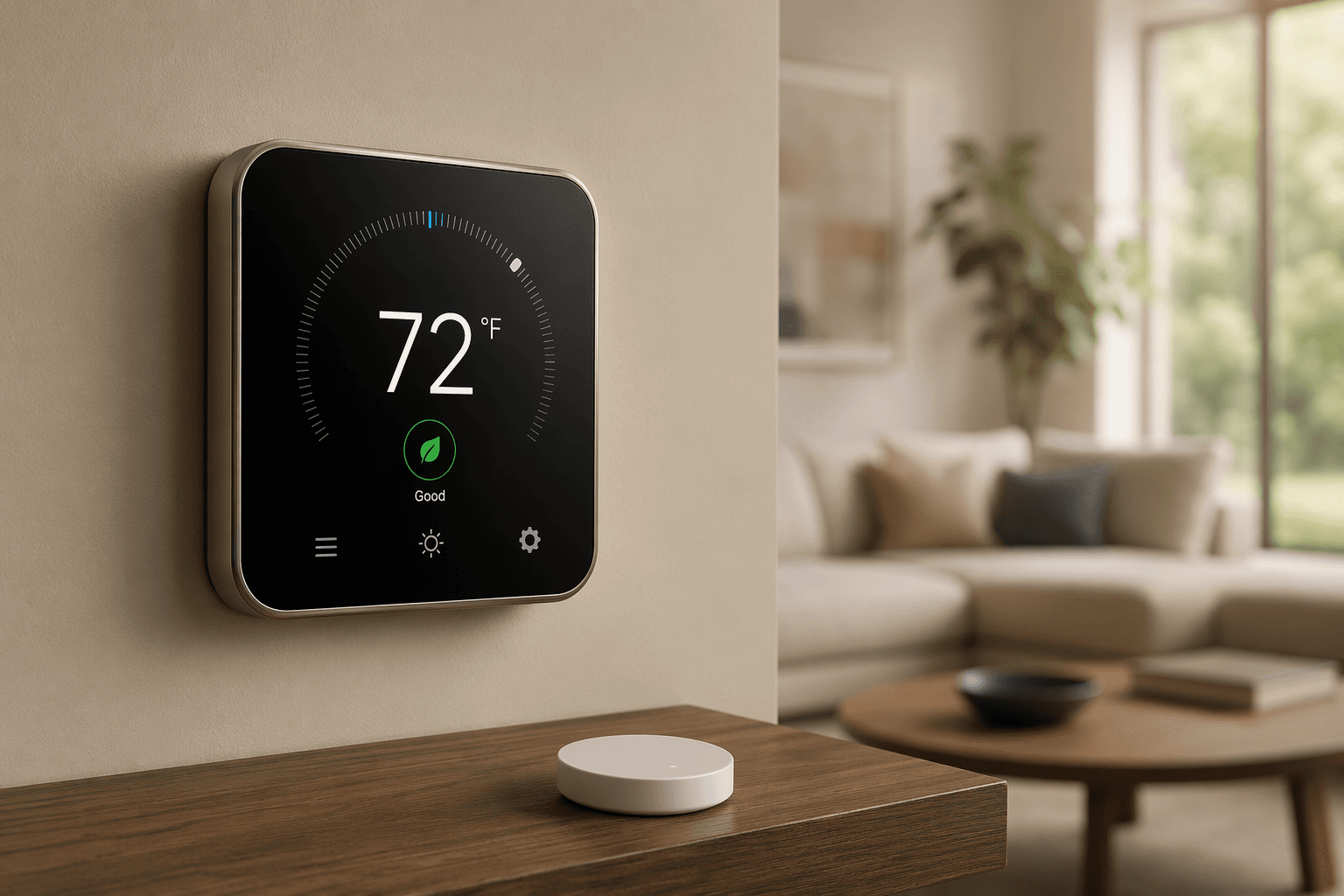
Your local utility can cut the upfront cost significantly. Typical rebates range from $25 to $100. For example, Focus on Energy offers a $50 instant rebate on qualifying thermostats including the Premium. That drops the effective price to $200. Some utilities pair rebates with the Community Energy Savings program, which can pay up to $125 per year in rewards for letting ecobee make small temperature adjustments during peak demand. You can opt out of any event. It's real money — but it varies by utility and isn't guaranteed everywhere.
The Premium isn't just a thermostat. The box comes with a SmartSensor ($50 if bought separately), a built-in air quality monitor (replaces a $60–$100 standalone), a voice assistant with Alexa or Siri built in (replaces a $40 smart speaker), and an optional security hub that can replace a $100 base station. If you would have bought those anyway, the thermostat's effective cost collapses.
But let me be honest about the limitations. The air quality monitor detects VOCs and CO2 but not PM2.5 particulate matter, and it can't trigger the HVAC fan automatically. That means it doesn't fully replace a dedicated air quality monitor like the Awair Element ($70). I'd value it at maybe $40, not $70. The voice assistant works, but you still need a standalone smart speaker for whole-home music. And the security hub needs a $5–$10 per month subscription to unlock its best features like smoke alarm detection and professional monitoring. That recurring cost can eat into your savings — if you subscribe, the Premium stops being a money-saving device and becomes a convenience-plus-security purchase. That's fine, but be honest about what you're getting.
| Bundled Feature | Standalone Cost | Adjusted Value |
|---|---|---|
| SmartSensor | $50 | $50 |
| Air quality monitor | $70 | $40 |
| Voice assistant (Alexa/Siri) | $40 | $30 |
| Security hub (optional) | $100 | $0 if unused, $100 if used |
| Total potential saved spending | $120–$220 |
When Does the Premium Break Even?
Let's put it together. Three scenarios, each assuming the user actually uses the bundled features they count. No subscription in these — if you add the security plan, recalculate.
| Scenario | Energy Savings/yr | Rebate | CES Rewards/yr | Bundle Value | Net Upfront | Payback (months) |
|---|---|---|---|---|---|---|
| Conservative | $50 | $0 | $0 | $0 | $250 | 60 |
| Moderate | $100 | $50 | $50 | $100 | $0 | 0 (immediate) |
| Aggressive | $200 | $100 | $125 | $200 | $0 (negative) | 0 |
The conservative scenario — no rebate, no CES, low energy savings, no bundle value — is basically a $250 thermostat that pays back in 5 years. That's the same as ENERGY STAR's simple payback estimate. The moderate scenario, which is realistic for a household that qualifies for a $50 rebate, participates in CES, and values the SmartSensor and voice assistant, drops the net cost to zero at purchase. The aggressive scenario is achievable for a large home with high energy costs, a generous utility, and full use of every bundled feature.
The key insight: the bundle value makes the difference. Without it, you're waiting years for energy savings to return your money. With it, the thermostat essentially costs nothing upfront because you were going to buy those other devices anyway.
How It Stacks Up Against Cheaper Alternatives
What if you just want basic smart thermostat features? A 5-year total cost comparison shows the Premium can beat a $60 thermostat — if the incentives line up.
| Model | Upfront | 5-Year Energy Savings | 5-Year Total Cost |
|---|---|---|---|
| Amazon Smart Thermostat | $60 | $250 (at $50/yr) | -$190 (net gain) |
| Wyze Thermostat | $73 | $250 (at $50/yr) | -$177 (net gain) |
| Nest Learning Thermostat | $130 | $250 (at $50/yr) | -$120 (net gain) |
| ecobee Premium (conservative) | $250 | $250 (at $50/yr) | $0 |
| ecobee Premium (moderate) | $0 (net) | $500 (at $100/yr) | -$500 (net gain) |
The cheap thermostats win if you ignore the bundled features. But if you would have spent $120–$220 on a SmartSensor, smart speaker, and air quality monitor anyway, the Premium's net cost is lower than any of them. That's the counterintuitive result: the most expensive thermostat can become the cheapest purchase when you count the whole bundle.
For a broader comparison of thermostat options, see our Best Smart Thermostat Buyer Guide 2026. And if you're still deciding between ecobee models, the Premium vs. Enhanced vs. Essential comparison covers the features you'd miss.
Who Should Buy It in 2026
The Premium is worth $250 for buyers who check at least two of these boxes: you have a utility rebate available, you'll participate in Community Energy Savings, you need an extra room sensor, you want a voice assistant in the thermostat, or you're interested in the security hub without an extra base station. If none of those apply, a $60 thermostat gives you 90% of the smart temperature control for 24% of the price.
The air quality monitor is a useful bonus but not a replacement for a dedicated PM2.5 sensor. The subscription is optional but can eat your savings. The federal smart thermostat tax credit expired in 2025, so don't count on that.
Data Updates
Know about updated rebate programs, changed subscription prices, or new ENERGY STAR certifications? Submit a note below to help keep this content current. For formal data corrections, use the contact page.
Comments
Join the discussion with an anonymous comment.