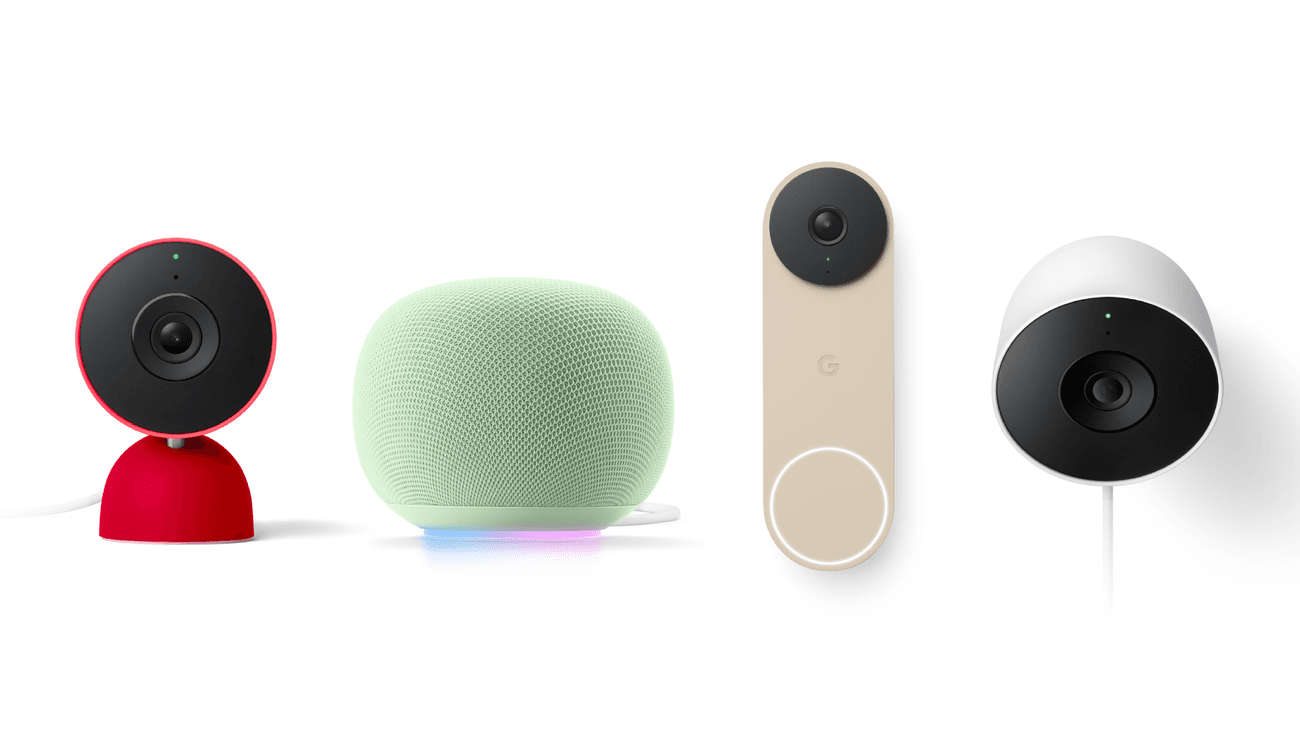
Buying Google Home devices in mid-2026 is less about choosing between “Google” and “Nest” than figuring out which generation you are actually buying. Google now has a brand-new Gemini-era speaker, older Nest speakers that are still for sale, two aging smart displays, and a refreshed Nest Cam line where the monthly plan can matter as much as the lens.
As of June 26, 2026, the biggest change is only one day old: Google launched the new Google Home Speaker on June 25 at $99.99 as its first speaker built for Gemini, with 360° audio, Matter and Thread hub support, a light ring for feedback, and the ability to pair with a Google TV Streamer for surround sound.[1] That is a real shift. It is also too new to treat as a proven long-term winner.
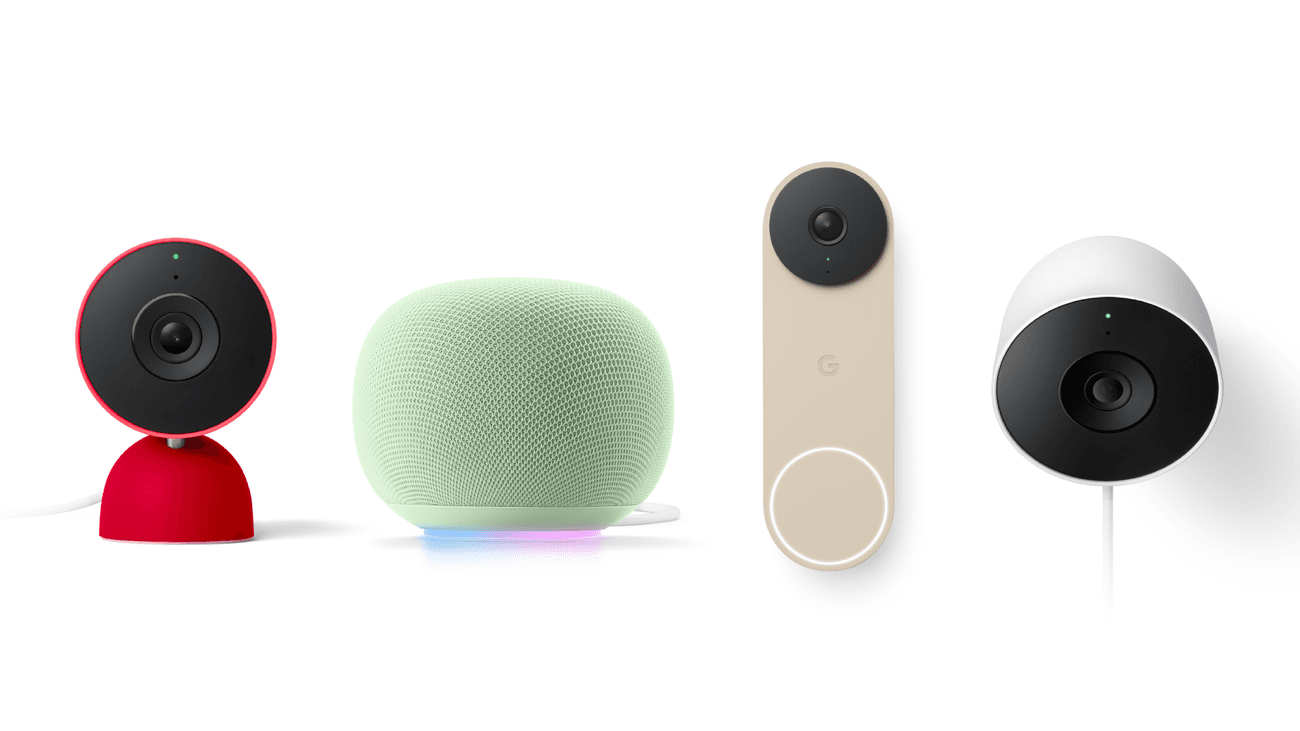
The 2026 Google Home lineup at a glance
The cleanest way to shop the lineup is to stop sorting by brand name first. “Nest” and “Google Home” now sit together inside the Google Home app, but the products do not all belong to the same hardware moment. Some were designed before Gemini was the center of Google’s smart-home pitch. Some now depend on Google Home Premium to feel complete.
| Device | Category | Typical price | Product age in 2026 | Best use | Subscription dependency |
|---|---|---|---|---|---|
| Google Home Speaker | Voice speaker / smart-home hub | $99.99 | Launched June 25, 2026 | Gemini-ready voice control, better room audio, Matter/Thread hub duties, Google TV Streamer surround pairing | No subscription required for basic speaker and hub use; some Gemini/home features may depend on Google’s services over time[1] |
| Nest Audio | Voice speaker | $99.99 | Introduced in 2020 | Music-first speaker for people who find it discounted below the new model | No major subscription dependency for basic use, but it lacks the new speaker’s Gemini-first hardware direction[2] |
| Nest Mini | Compact voice speaker | $49.99 | Introduced in 2019 | Cheap voice control in a bedroom, hallway, bathroom, or rental | No major subscription dependency for basic use; least future-looking speaker in the active lineup[2] |
| Nest Hub 2nd gen | Smart display | $99.99 | Introduced in 2021 | Kitchen timers, recipes, smart-home controls, bedside display use | No subscription required for ordinary display use; future display roadmap is uncertain[3] |
| Nest Hub Max | Large smart display | $229 | Introduced in 2019 | Kitchen counter, family room, visible camera feeds, larger shared display | No subscription required for ordinary display use; aging hardware makes it a cautious buy[3] |
| Refreshed Nest Cam line | Security cameras | Varies by model; some prices may fluctuate | Refreshed in October 2025 | Indoor/outdoor security, door and driveway monitoring, higher-resolution video | High dependency if you want Gemini AI features, longer event history, or 24/7 recording through Google Home Premium[4] |
The buying criteria are simple, even if the product shelf is not: decide whether the room needs audio, a screen, a security camera, a smart-home hub, Gemini readiness, or a low monthly bill. A kitchen may justify a display. A hallway probably does not. A driveway camera may look affordable until the household wants longer history and Gemini descriptions every month.
Google Home also has the ecosystem scale many shoppers are looking for. Wirecutter reports more than 50,000 Google Home-compatible smart-home devices, which is enough that most buyers do not need to worry about whether basic bulbs, plugs, locks, thermostats, and cameras exist for the platform.[5] The harder question is which Google-made device should anchor each room.
Speakers: the new Google Home Speaker changes the default pick
For most people starting fresh, the new Google Home Speaker is the first model to look at. It costs the same as Nest Audio, but it is the one designed around where Google is taking the home: Gemini, Matter, Thread, stronger device feedback, and better integration with Google TV Streamer.[1] That combination matters more than a small spec-by-spec argument over old Nest branding.
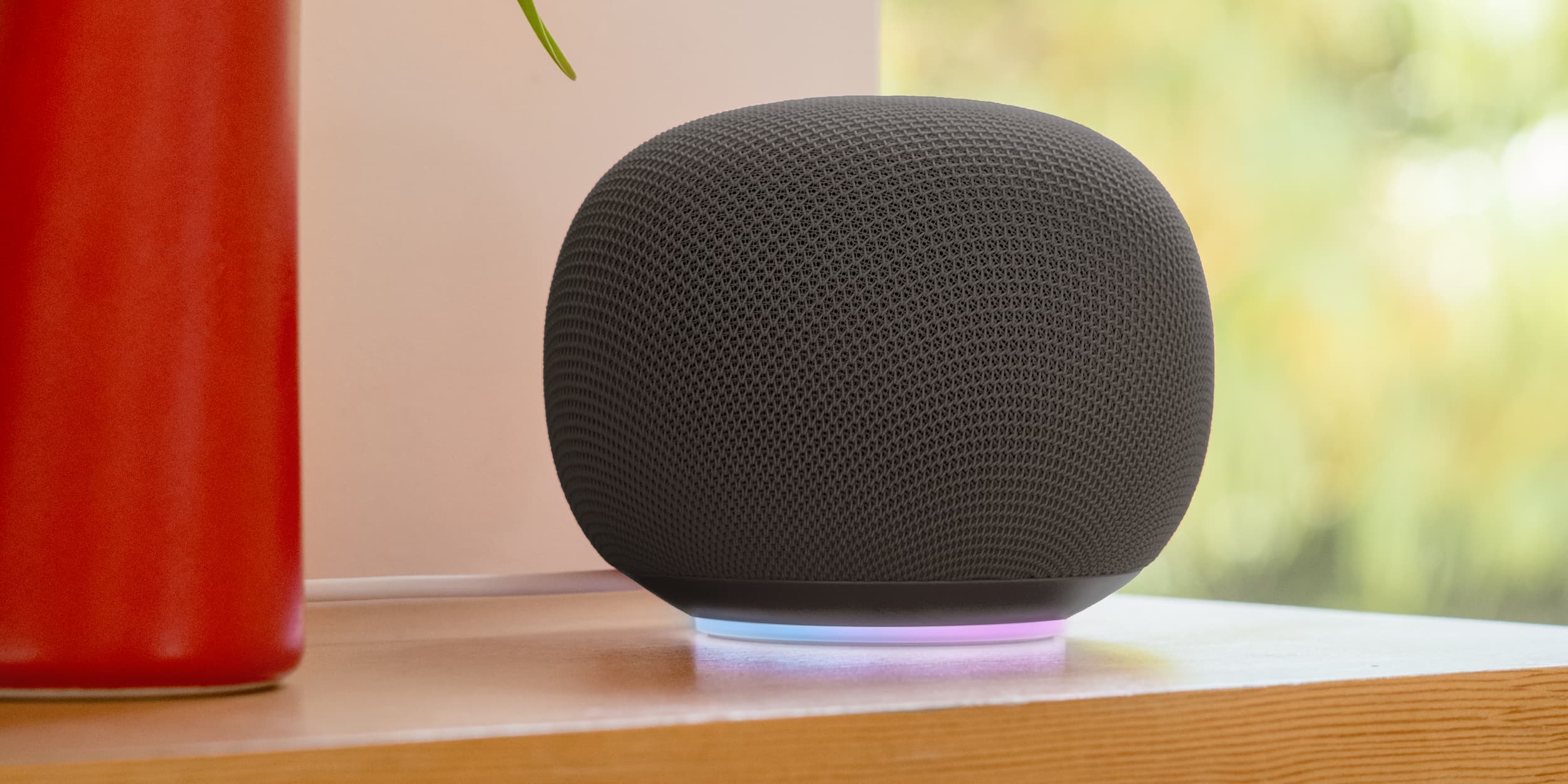
The Matter and Thread hub piece is especially useful in a real home. If a speaker is already sitting in the living room, it can also help connect compatible smart-home devices without asking the buyer to add yet another puck, bridge, or box. That is the kind of upgrade that makes sense on a kitchen counter or media console because it removes hardware rather than adding more.
The caution is timing. A device launched yesterday has not yet been through months of family use, router oddities, firmware updates, holiday sale support calls, or the ordinary annoyances that separate a polished product from a promising one. If you need a speaker today and want the most future-facing Google model, it is the obvious candidate. If you are replacing a working Nest Audio only because the new one exists, waiting for broader reliability feedback is reasonable.
Nest Audio is now a price-dependent choice
Nest Audio is awkward in 2026 because it still sits at the same $99.99 price as the new Google Home Speaker, even though it comes from the 2020 Nest speaker generation.[2] It may still be perfectly useful as a music and voice-control speaker, especially in homes that already have one and like the sound. But at full price, it is hard to recommend over the newer model.
The hidden condition is the sale price. If Nest Audio drops clearly below the new Google Home Speaker and your main need is music in a room where you do not care about Thread, Matter hub value, or Gemini-first hardware, it can still make sense. At equal pricing, the newer speaker is the cleaner buy.
Nest Mini is still the cheap voice-control button
Nest Mini remains the low-cost way into Google voice control. It is a $49.99 device from 2019, and that tells you almost everything about its role.[2] Put it where the job is simple: turning off lights, asking for the weather, setting a timer, checking a calendar, or giving a guest room basic voice access.
It is not the speaker to buy because you care about room-filling audio, future-facing Gemini hardware, or hub capability. It is the one to buy when spending $100 would be silly for the room. A laundry room does not always need a flagship.
Displays: buy for a real screen need, not for future-proofing
The smart-display side of Google’s lineup is less satisfying. The Nest Hub 2nd gen and Nest Hub Max are still the only display choices called out in the current lineup, but they are not new products. The Nest Hub 2nd gen dates to 2021, and the Nest Hub Max dates to 2019.[3]
That does not make them useless. A display can still be the right Google Home device if the room benefits from visible information. In a kitchen, being able to see a recipe, timer, music controls, or a doorbell feed is often better than asking a speaker to read everything aloud. On a nightstand, a small screen can make alarms and smart-home controls easier to manage quietly.
| Display | Better fit | Reason to skip |
|---|---|---|
| Nest Hub 2nd gen | Bedroom, small kitchen counter, desk, compact smart-home control point | You want a large shared screen, stronger camera-feed visibility, or the most future-proof Google display |
| Nest Hub Max | Kitchen island, family room, larger shared space where camera feeds and visual controls matter | You are uncomfortable paying $229 for a display line that has not been refreshed in years[3] |
The rumored Google Home Display deserves caution, not a shopping plan. BGR has reported that a new Google Home Display has been rumored through code analysis, but it remains unconfirmed.[3] If you need a screen this week, you are choosing between the Nest Hub 2nd gen and Nest Hub Max. If your current display still works and you mainly want the next Gemini-era screen, waiting may be smarter than buying old hardware at full price.
Cameras: the hardware is only half the purchase
The refreshed Nest Cam line is where Google’s 2026 smart-home story gets more expensive. The October 2025 cameras brought 2K HDR video, strong DXOMARK rankings, and Gemini AI features, but the features that make the cameras feel smarter are tied closely to Google Home Premium.[4]
This matters because camera buyers usually do not want only a live view. They want to know what happened while they were away, whether a package was delivered, whether a person or vehicle was in the driveway, and whether the clip will still be there when they finally have time to check. That is where the subscription plan becomes part of the device.
| Plan | Monthly price | What it adds |
|---|---|---|
| No Premium plan | $0 | Basic camera use, but without the paid Premium history and advanced Gemini feature set described by Google |
| Google Home Premium Standard | $10/month | 30-day event video history[4] |
| Google Home Premium Advanced | $20/month | 60-day event video history plus 10 days of 24/7 continuous recording[4] |
A single indoor camera with no subscription may be fine for checking whether the dog knocked over a plant. A front door, driveway, or side gate is different. In those spots, the practical value often comes from history, better event understanding, and reviewable footage. If those are the reasons you are buying the camera, include $10 or $20 per month in the decision before comparing camera prices.
Some camera prices can also move around, including examples such as Nest Cam with Floodlight pricing. The safer buying method is to compare the current checkout price plus the plan you expect to keep for a year. A cheaper camera can become the more expensive choice if it nudges you into a subscription you did not plan to carry.
Gemini readiness is now a buying criterion
Gemini is not just a label on the box anymore. It changes which devices look like safe buys and which ones look like holdovers. The new Google Home Speaker was built for Gemini from the start.[1] Older Nest speakers and displays were not, and Android Authority has described the Gemini smart-home rollout on older hardware as buggy and slow.[6]
That does not mean every shopper needs to replace every Nest product. If an old Nest Mini turns lights on reliably, let it keep doing that. The risk is buying older hardware at near-new prices while assuming every new Gemini feature will work equally well everywhere. Google’s own lineup no longer supports that assumption.
For cameras, Gemini readiness also overlaps with the subscription question. A camera may have the right sensor and video quality, but the more meaningful difference for daily use may be whether the plan you pay for gives you the AI descriptions and recording history you expected. That is not a small footnote; it is part of the product.
Which Google Home device should you buy?
If you want the safest general-purpose speaker choice in 2026, start with the new Google Home Speaker. It is the best fit when you care about Gemini readiness, better audio than a tiny puck, Matter and Thread hub support, and possible Google TV Streamer surround use. The only serious caveat is that it is brand new, so cautious buyers may want early owner feedback before replacing working speakers across the house.
Choose Nest Mini when the room only needs inexpensive voice control. It is not exciting, and that is the point. For lights, timers, and simple commands in secondary spaces, it keeps the budget under control.
Be careful with Nest Audio at full price. It still has a place if you already like the sound or find a meaningful discount, but at $99.99 it runs directly into the new Google Home Speaker, which has the stronger 2026 argument.
Buy a Nest Hub only if a screen solves a current room problem. A kitchen display for recipes and doorbell feeds can still be worth having. A bedside display can still be useful. But neither the Nest Hub 2nd gen nor the Nest Hub Max should be treated as freshly future-proof hardware in 2026.
Buy Nest Cams only after accepting the Google Home Premium math. If live view and basic monitoring are enough, the hardware may be the main decision. If you want Gemini AI features, longer event history, or 24/7 recording, the real product is the camera plus a $10 or $20 monthly plan.
The practical map is this: use the new Google Home Speaker as the default for main rooms, Nest Mini for cheap voice coverage, discounted Nest Audio only when the price makes sense, Nest Hub models only where a display earns its space, and Nest Cams only where the subscription cost still feels acceptable after the first month.
References
- Our newest Google Home devices are built for Gemini, Google Blog.
- Google Nest (smart speakers), Wikipedia.
- Is The Google Nest Hub Still Worth Buying In 2026, BGR.
- Google Home Premium Subscription, Google Store.
- Best Google Home-Compatible Smart-Home Devices, Wirecutter.
- Android Authority's make-or-break analysis, Android Authority.
Discussion
Share your experience with the compared products, flag outdated pricing or specs, or ask clarifying questions about the comparison verdict.
Comments
Join the discussion with an anonymous comment.